
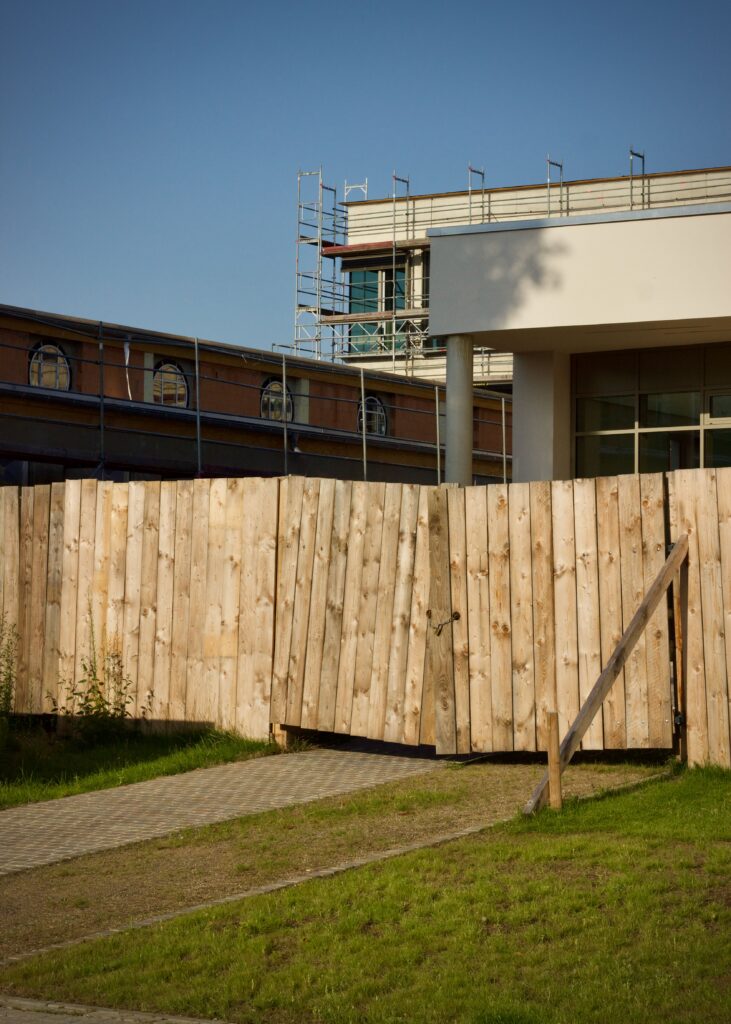
We wait all year for summer to arrive in the Waterloo Region. After months of shoveling snow and shivering through damp, freezing temperatures, there is nothing quite like firing up the barbecue, inviting friends over, and enjoying your backyard.
However, as the weather transitions from the dry, frigid days of a Southern Ontario winter to the heavy, muggy heat of July and August, you might notice a frustrating problem developing along your property line: your wooden fence gates suddenly refuse to open, close, or latch properly.
If you find yourself lifting, kicking, or forcing your gate just to get it shut, you are not alone. Wood swells significantly in Ontario’s summer humidity, causing gates to drag, warp, and fall out of alignment.
In this comprehensive guide, we are breaking down exactly why the Waterloo Region climate wreaks havoc on wooden fences, the hidden dangers of a misaligned gate, and the step-by-step adjustments required to get your property secure and functioning perfectly again.
The Science of Wood in the Waterloo Region Climate
To understand why your gate is acting up, we have to look at the unique weather patterns of our region. Situated in Southern Ontario, cities like Kitchener, Waterloo, and Cambridge experience extreme temperature and humidity fluctuations.
During the winter, the air is incredibly dry. By the time late July rolls around, the moisture coming off the Great Lakes and the Grand River basin creates a thick, humid environment.
Wood is a hygroscopic material, meaning it acts very much like a hard sponge. It constantly absorbs and releases moisture from the surrounding air in an attempt to reach an equilibrium with its environment.
- Winter Shrinkage: In the dry cold of January, the moisture is pulled out of your fence boards. The wood shrinks, sometimes leaving wider gaps between the panels and causing latches to feel loose.
- Summer Swell: When the heavy summer humidity hits, those same wooden boards aggressively absorb moisture from the air. The wood expands across its grain. A gate that fit perfectly into its frame in October may suddenly be half an inch too wide by August.
This constant cycle of expanding and contracting puts immense stress on the entire fence structure, particularly the moving parts like hinges, latches, and the gate frame itself.
Common Gate and Fence Issues Triggered by Summer Humidity
When the wood in your fence swells, the symptoms usually present themselves in three highly frustrating ways:
1. The Misaligned Latch
This is the most common complaint we hear from Kitchener homeowners. As the gate expands, it pushes against the latch post. Over time, the heavy weight of the moisture-logged wood can cause the gate to sag slightly. Because latch mechanisms require precise alignment to click together, a drop or expansion of just a few millimeters is enough to make the metal striker completely miss the catch.
2. The Dragging Bottom
If your gate was installed with minimal ground clearance, the summer expansion combined with a slight hinge sag will cause the bottom of the gate to scrape against your driveway, patio stones, or lawn. Not only does this make the gate incredibly difficult to open, but dragging it back and forth will eventually destroy the bottom edge of the wood, leading to rapid rot and splintering.
3. Popping Fasteners and Bent Hinges
As the wood forcefully expands, it has to go somewhere. If the gate is trapped tightly against the latch post, the pressure will transfer to the weakest points: the hinges and the screws. You may notice screws pulling out of the wood, hinges bending outward, or nails popping loose along the gate’s cross-bracing.
Why You Cannot Ignore a Broken Gate
It is incredibly tempting to just leave a broken gate propped open or tied shut with a piece of bungee cord until the fall weather dries the wood out. However, ignoring a gate that will not latch properly carries several risks that go beyond mere annoyance.
Pool Safety and Municipal Bylaws
If you have a swimming pool in your backyard, a self-closing, self-latching gate is not just a suggestion—it is the law. Both the City of Kitchener and the City of Waterloo have strict pool enclosure bylaws to prevent accidental drownings. If a municipal bylaw officer inspects your property and finds that your gate does not automatically latch because the wood has swollen, you could face hefty fines. More importantly, an unlatched gate poses a severe, life-threatening risk to neighborhood children.
Pet Security
Waterloo Region is incredibly pet-friendly, but a gate that only “sort of” closes is a missing dog waiting to happen. A strong gust of wind or a clever paw can easily push open an unsecured gate, letting your dog out onto busy local roads.
Accelerated Wear and Tear
Forcing a swollen gate closed by throwing your shoulder into it or aggressively lifting it by the latch will ultimately destroy the gate. This excessive force bends the hinges permanently, strips the screws out of the heavy wooden posts, and fractures the gate’s wooden frame. What could have been a simple seasonal adjustment quickly turns into the need for a completely new, expensive gate replacement.
Step-by-Step Troubleshooting: How to Fix a Swollen Gate
If your gate is currently refusing to latch, there are several troubleshooting steps you can take to alleviate the pressure and restore functionality.
Step 1: Inspect and Tighten the Hardware
Before you start cutting or sanding wood, grab a screwdriver. The constant swelling and shrinking of the wood often loosen the screws holding your hinges and latches in place.
- Check the hinges on both the gate side and the post side.
- If a screw spins freely without tightening, the hole has been stripped. You can fix this by removing the screw, dipping a wooden golf tee or a few toothpicks in wood glue, tapping it into the hole, and breaking it off flush. Once dry, drive the screw back in for a tight grip.
Step 2: Evaluate the Hinge Position
If the gate is sagging and missing the latch, you may be able to correct it at the hinges.
- If the top of the gate is leaning away from the hinge post, the top hinge needs to be pulled tighter to the post.
- Replacing standard hinges with heavy-duty, adjustable gate hinges is a great upgrade for Ontario homes. These allow you to manually turn a bolt to raise or lower the gate by small increments as the seasons change, completely bypassing the need to remove hardware.
Step 3: Relocate the Latch
If the gate swings freely but the latch simply doesn’t line up anymore due to the wood swelling upward or downward, the easiest fix is often to move the latch.
- Unscrew the striker arm or the catch mechanism.
- Close the gate to its natural resting position.
- Pencil in the new, perfectly aligned location, and re-drill the hardware into place.
Step 4: Shaving and Planing the Wood
If the gate is physically too wide to fit between the posts because it has absorbed so much humidity, hardware adjustments will not save you. You will need to remove some mass from the wood.
- Identify where the gate is rubbing (usually along the latch side).
- Take the gate off its hinges and lay it flat.
- Use a hand plane or an electric planer to shave down the vertical edge of the gate by an eighth of an inch.
- Re-hang the gate to test the fit. Remember to apply a coat of wood sealer to the freshly cut edge, otherwise, it will absorb even more moisture!
Step 5: Check the Main Posts
Sometimes, the gate is not the problem at all. Ontario’s winter freeze-thaw cycle can cause the earth to heave, which might have pushed your heavy wooden fence posts out of plumb (perfectly vertical). If the post holding the hinges is leaning, the gate will drag. Fixing a leaning post usually involves digging out the old concrete base, realigning the post, and pouring fresh cement—a much larger job.
Long-Term Prevention: Protecting Your Fence from the Elements
While you cannot control the weather in the Waterloo Region, you can control how your wood reacts to it. The key to minimizing summer wood swell is keeping the moisture out in the first place.
1. Seal and Stain Regularly: Bare, untreated wood will aggressively pull moisture out of the humid summer air. To prevent this, you should be applying a high-quality, water-repellent stain or clear sealer to your fence and gates every two to three years. This creates a barrier that stops the wood from acting like a sponge, drastically reducing the amount of seasonal swelling and shrinking.
2. Use Proper Hardware: Standard interior screws will rust quickly when exposed to rain, causing them to snap under the pressure of a shifting gate. Always ensure your gate is assembled using exterior-grade, coated deck screws or heavy-duty galvanized bolts that can withstand the elements.
3. Leave Room to Breathe: If you are having a new gate built, ensure there is an appropriate gap (usually about 1/2 inch to 3/4 of an inch) left on the latch side. This built-in tolerance allows the gate to expand naturally during a humid August heatwave without slamming into the adjacent post.
Need Professional Gate and Fence Repair in Kitchener?
Adjusting a swollen, misaligned gate can be incredibly frustrating. Shaving down wood, realigning heavy hinges, and fixing stripped screws takes time, patience, and the right tools. If the main posts have started to lean, or the gate frame itself has rotted out from years of dragging along the ground, DIY fixes will only serve as a temporary bandage.
Your weekends should be spent enjoying the outdoors, exploring the St. Jacobs Farmers’ Market, or relaxing on your patio—not wrestling with heavy fence panels in the summer heat.
If your gates have stopped latching, your fence panels are warping, or your property is no longer secure, Kitchener Handyman is here to help.
Our team provides expert, reliable gate and fence repair services throughout Kitchener, Waterloo, and the surrounding areas. We understand exactly how the local climate impacts your home’s exterior. Whether you need a simple hardware adjustment, new heavy-duty hinges installed, a sagging gate rebuilt, or complete weatherproofing and staining to protect your investment for the future, we get the job done right the first time.
Don’t let a stubborn gate ruin your summer or compromise your family’s safety. Contact Kitchener Handyman today for an honest, upfront quote, and let us restore your fence to perfect working order.
Need a trusted, honest handyman?
From routine maintenance to unexpected repairs, get the peace of mind that comes with hiring a reliable local professional.